In the realm of event design, lighting has evolved from a purely functional necessity into one of the most powerful creative tools available to planners and designers. Custom lighting transforms ordinary spaces into extraordinary experiences, shaping how guests perceive, interact with, and remember events. While standard venue lighting serves basic visibility needs, custom lighting installations create atmosphere, direct attention, and craft visual narratives that align perfectly with event objectives.
The difference between adequate lighting and exceptional lighting is the difference between simply seeing a space and truly experiencing it. Custom lighting elevates visual displays by adding layers of depth, emotion, and intentionality that generic solutions cannot achieve. As technology advances and client expectations rise, understanding how strategic lighting design enhances events has become essential for creating memorable occasions.
Transforming Venue Architecture and Atmosphere
Every venue possesses inherent architectural features—some beautiful, others less desirable. Custom lighting serves as a magical editing tool, emphasizing strengths while minimizing weaknesses. A warehouse with exposed ductwork becomes an industrial chic masterpiece when uplighting highlights textured brick walls. A dated hotel ballroom gains contemporary elegance when pin spots illuminate centerpieces while washing walls in sophisticated color gradients.
The transformative power extends beyond correction to complete reinvention. Custom lighting can make low ceilings appear higher through strategic vertical washes, or make cavernous spaces feel intimate by creating pools of warm light in designated areas. Gobo projections—custom patterns or images projected through specialized lighting fixtures—can add texture to blank walls, project corporate logos onto dance floors, or create entire themed environments without physical props.
Color temperature plays a crucial role in atmospheric transformation. Warm amber tones create cozy, inviting environments perfect for social gatherings and celebrations. Cool blues evoke sophistication and modernity, ideal for corporate events or tech product launches. The ability to adjust color throughout an event allows atmospheres to evolve—energetic and bright during cocktail hours, romantic and subdued during dinner service, vibrant and dynamic when dancing begins.
Intelligent lighting systems respond to event flow in real-time. Programmed sequences can punctuate speaker introductions with dramatic spotlights, celebrate award recipients with triumphant color bursts, or create gentle transitions between program segments. This responsiveness makes lighting an active participant in event storytelling rather than passive background decoration.
Creating Focal Points and Directing Guest Attention
In busy event environments filled with competing visual elements, custom lighting provides essential hierarchy and direction. Strategic illumination guides guest attention exactly where organizers want it, creating clear focal points that organize the visual landscape and enhance communication.
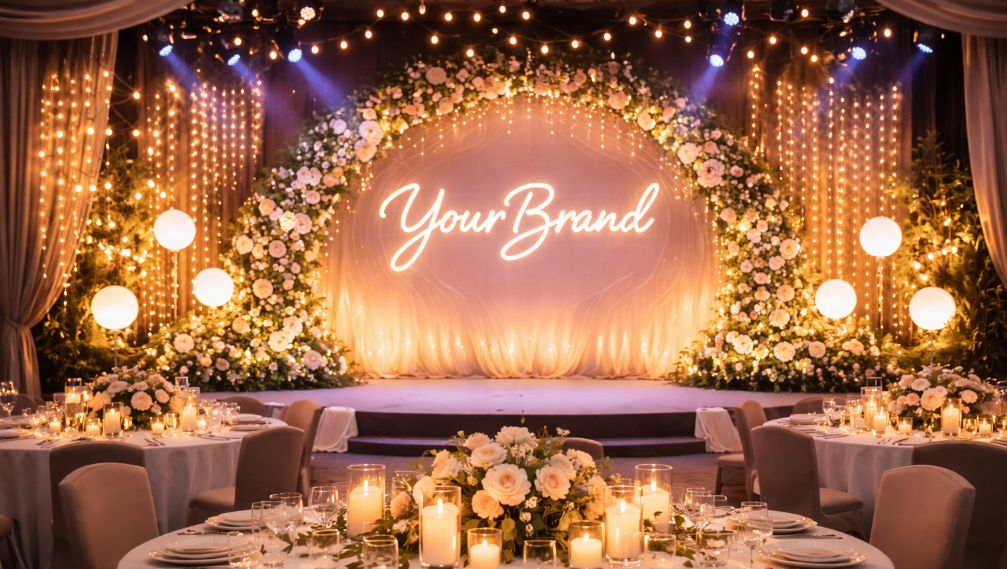
Stage presentations benefit enormously from focused custom lighting. Key lights illuminate speakers while background washes add depth and professionalism. Follow spots track movement, ensuring presenters remain visible and commanding attention even in large venues. Accent lighting on presentation screens or product displays ensures these critical elements stand out rather than competing with general ambient light.
Architectural lighting techniques create natural gathering points and traffic flow. Brighter zones attract crowds to bars, registration areas, or interactive installations, while dimmer transitional spaces encourage movement between activation points. This subtle guidance improves guest experience by reducing confusion and crowding while maintaining the illusion of organic exploration.
Dramatic uplighting on centerpieces, floral installations, or dessert displays transforms these elements from decorative additions into statement pieces worthy of photographs and conversation. Without proper illumination, even expensive décor can disappear into visual noise. Strategic spotlighting ensures investment in physical design elements receives appropriate visual recognition.
Custom lighting also defines spatial boundaries within open venues. Different lighting zones can distinguish lounge areas from dining sections, or separate VIP spaces from general admission areas, all without physical barriers. This approach maintains open, flowing floor plans while establishing clear functional divisions that help guests navigate intuitively.
Enhancing Brand Identity and Thematic Cohesion
Corporate events, product launches, and branded experiences rely heavily on visual consistency to reinforce messaging and create memorable impressions. Custom lighting serves as one of the most effective tools for brand integration, offering flexibility that physical décor cannot match.
Brand colors translate directly into lighting design through precise color-matched LED systems. An event for a company with red and silver branding can feature crimson wall washes complemented by cool white accent lighting, immersing guests in brand identity from the moment they enter. Unlike painted elements or printed materials that remain static, lighting can shift throughout the event, displaying different aspects of brand palettes during different program segments.
Gobo projections allow logos, taglines, or branded patterns to appear throughout venues—on entrance walls, dance floors, or even outdoor facades. These projections create photo opportunities where brand imagery naturally integrates into guest content, extending reach beyond the event itself. The non-permanent nature of projected branding also allows venues to host multiple branded events without costly changeovers.
Thematic events benefit from lighting’s chameleon-like adaptability. A Great Gatsby gala might feature warm golden tones with art deco patterns projected on walls. A tropical paradise theme comes alive with vibrant greens and blues washing through palm frond gobos. Winter wonderland events sparkle under cool white pinspots creating snowflake effects. The same venue can host dramatically different themed experiences through lighting changes alone, offering cost efficiency and creative flexibility.
Custom lighting also reinforces event narratives through sequenced programming. A product launch might begin with mysterious blue tones building anticipation, transition to dramatic reveals with white spotlights and color bursts, then shift to celebratory multicolor displays. This choreographed lighting progression enhances storytelling in ways that static décor cannot achieve.
Improving Photography and Content Creation
In an era where event success is often measured by social media engagement and content creation, visual documentation has become paramount. Custom lighting dramatically improves photographic outcomes, ensuring events look as impressive in images and videos as they do in person.
Professional photographers know that lighting makes or breaks images. Custom event lighting provides the controlled illumination that yields crisp, vibrant photographs without harsh shadows or unflattering overhead fluorescence. Properly lit venues reduce the need for artificial flash photography, creating more natural-looking images that capture authentic moments and genuine emotions.
Layered lighting approaches—combining ambient, accent, and task lighting—create dimensional photographs rather than flat images. Background wall washes add depth behind subjects, preventing that dreaded “floating head” effect common in poorly lit event photos. Rim lighting separates subjects from backgrounds, adding professional polish to candid shots. These techniques, borrowed from professional photography studios, translate directly to elevated event content.
Video content benefits even more dramatically from custom lighting. While cameras can compensate somewhat for poor lighting through ISO adjustments and post-production color correction, native high-quality lighting yields superior results. Well-lit video testimonials, event recaps, and live streaming maintain professional standards that reflect positively on event organizers and hosts.
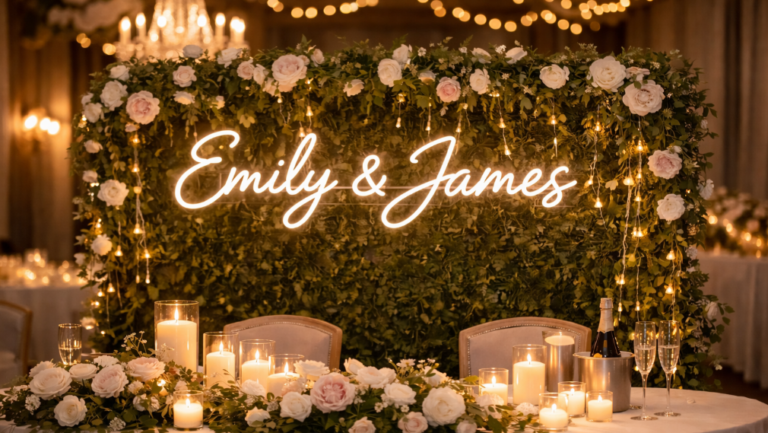
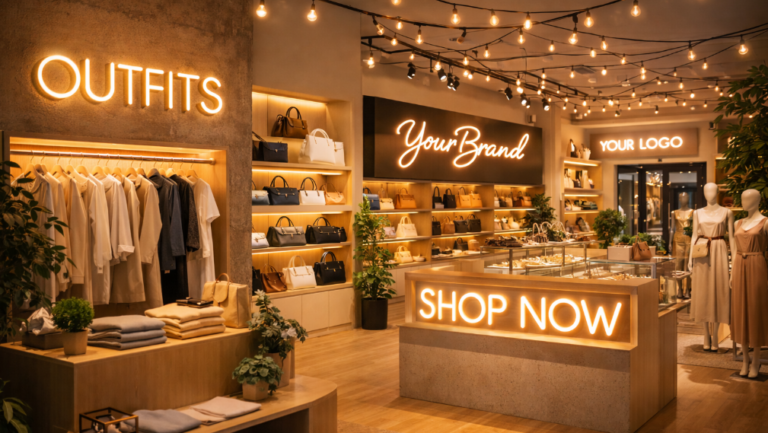
Instagram-worthy moments have become event planning objectives in themselves. Custom lighting creates these naturally shareable moments—illuminated floral walls perfect for portraits, dramatically lit dessert tables that beg to be photographed, or neon installations that serve as both décor and photo opportunities. Strategic lighting placement near these installations ensures guests capture high-quality content that they’ll eagerly share across platforms.
Adapting to Different Event Types and Scales
Custom lighting’s versatility makes it valuable across the full spectrum of event types and sizes. The same fundamental principles apply whether designing lighting for intimate gatherings or massive festivals, though implementation scales accordingly.
Corporate conferences require professional, focused lighting that enhances presentations without distracting from content. Keynote stages benefit from theatrical lighting techniques—spotlights on speakers, colored washes that match presentation moods, and subtle accents that add visual interest during longer sessions. Breakout rooms might feature adjustable lighting that accommodates both presentation modes and collaborative working sessions.
Weddings leverage custom lighting’s romantic potential. Soft amber uplighting creates warmth in reception halls, fairy lights add whimsical charm to outdoor ceremonies, and monogram projections personalize dance floors. The emotional resonance of wedding lighting goes beyond aesthetics—proper illumination creates the enchanted atmosphere that makes celebrations feel truly special.
Concerts and festivals employ custom lighting as essential performance elements. Stage lighting rigs with moving heads, strobes, and lasers synchronize with music, transforming audio experiences into multisensory spectacles. Audience lighting creates collective experiences—unified color washes during choruses or synchronized smartphone light shows that make every attendee part of the performance.
Galas and fundraising events use lighting to create sophisticated elegance that encourages generosity. Strategic illumination on auction items draws attention and perceived value, while ambient lighting sets upscale tones that align with donation objectives. Award presentations gain gravitas through dramatic spotlighting that honors recipients and creates memorable moments.
Even smaller events benefit from scaled-appropriate custom lighting. Intimate dinner parties can incorporate simple uplighting or string lights that dramatically improve ambiance compared to standard overhead fixtures. The investment in custom lighting scales to event size and budget while delivering proportional impact regardless of scope.
Technological Advances Expanding Creative Possibilities
Recent technological developments have revolutionized what’s possible in custom event lighting, expanding creative boundaries while improving efficiency and reducing costs. These advances democratize high-end lighting effects, making sophisticated techniques accessible to broader ranges of events and budgets.
LED technology has transformed the industry. Modern LED fixtures consume a fraction of the power required by traditional incandescent or halogen lights while generating minimal heat, crucial for extended events or installations near temperature-sensitive elements like flowers or food. LEDs offer precise color control through RGB or RGBW systems, allowing infinite color possibilities from single fixtures rather than requiring colored gels or multiple dedicated lights.
Wireless DMX control systems eliminate cable runs that once complicated installation and limited fixture placement. Designers can now position lights exactly where visual impact demands without infrastructure constraints. Wireless control also enables real-time adjustments—organizers can modify lighting throughout events in response to changing needs or spontaneous moments.
Intelligent lighting fixtures with built-in motors allow single units to perform functions that previously required multiple lights. Moving head spotlights can track speakers across stages, shifting focus seamlessly as presenters move. Automated color-changing capabilities mean one fixture provides effects that once demanded entire arrays of colored lights.
Projection mapping technology transforms three-dimensional surfaces into dynamic canvases. Complex architectural features become projection screens displaying moving imagery, animated patterns, or interactive content that responds to guest movement or sound. This technology creates immersive environments that blur boundaries between physical space and digital artistry.
Mobile apps now put sophisticated lighting control in planners’ hands, allowing adjustments from smartphones or tablets. Pre-programmed scenes can be triggered with single taps, or manual adjustments can fine-tune specific zones without interrupting events or requiring technical specialists.
Conclusion
Custom lighting has evolved from technical necessity into creative essential, offering event designers and planners unparalleled tools for transformation, communication, and experience creation. The strategic application of custom lighting elevates visual displays by adding dimension, directing attention, reinforcing themes, and creating photographable moments that extend event impact far beyond the venue walls.
As technology continues advancing, the gap between standard and custom lighting solutions only widens. Events that embrace custom lighting design distinguish themselves through elevated professionalism, enhanced guest experiences, and superior visual documentation. Whether transforming architectural spaces, reinforcing brand identity, or creating social media moments, custom lighting delivers measurable value that justifies investment across event types and scales.
For anyone planning events where visual impact matters—which is to say, virtually all events—custom lighting represents not an optional luxury but an essential component of successful execution. The question is no longer whether custom lighting adds value, but rather how creatively and strategically it can be deployed to achieve specific event objectives and create truly unforgettable experiences.