In the competitive landscape of retail, where countless stores vie for consumer attention, lighting has emerged as one of the most powerful yet underutilized tools for attracting and converting customers. Far beyond its basic function of illuminating merchandise, strategic lighting shapes customer perceptions, influences buying behavior, and creates memorable brand experiences that differentiate successful retailers from those that blend into the background.
Studies consistently demonstrate that lighting directly impacts sales performance. Well-lit stores see increased foot traffic, longer browsing times, and higher conversion rates compared to poorly lit competitors. The right lighting makes products more appealing, creates inviting atmospheres that encourage exploration, and establishes emotional connections that transform casual browsers into loyal customers. As retail continues evolving in response to e-commerce competition, the in-store experience becomes increasingly crucial—and lighting plays a starring role in crafting experiences that online shopping cannot replicate.
Statement Window Displays That Stop Traffic
Window displays serve as retail’s first impression, the critical moment when passersby decide whether to enter or continue walking. Creative lighting transforms windows from simple product showcases into theatrical presentations that command attention and spark curiosity.
Dramatic spotlighting creates focus within busy window compositions. Instead of evenly illuminating entire displays, strategic spotlights draw eyes to hero products or key seasonal items, creating visual hierarchy that guides viewer attention exactly where retailers want it. High-contrast lighting—bright spots against darker backgrounds—increases visibility from greater distances, catching eyes of potential customers before they reach the storefront.
Color-changing LED systems allow window displays to evolve throughout the day and across seasons without physical reconfigurations. Morning displays might feature energetic bright whites that appeal to commuters, transitioning to warmer tones during lunch hours, then vibrant colors for evening shoppers. Seasonal transitions happen through lighting changes rather than complete display overhauls, reducing labor costs while maintaining fresh appearances.
Backlighting creates silhouette effects that intrigue passersby, suggesting product shapes without revealing full details—a technique that encourages people to step closer and ultimately enter stores to satisfy their curiosity. This approach works particularly well for fashion retailers, where silhouetted garments create aspirational, editorial aesthetics.
Dynamic lighting sequences add movement that catches peripheral vision, the key to stopping pedestrians mid-stride. Subtle fades, gentle color shifts, or traveling spotlights create motion that differentiates static window displays from their surroundings. The movement doesn’t need to be aggressive or flashy; even gentle changes prove more effective than completely static installations at capturing wandering attention.
Accent Lighting That Makes Products Irresistible
Once customers enter, accent lighting determines which products they notice, touch, and ultimately purchase. Strategic product illumination doesn’t just show merchandise—it makes items appear more desirable, valuable, and worthy of investment.
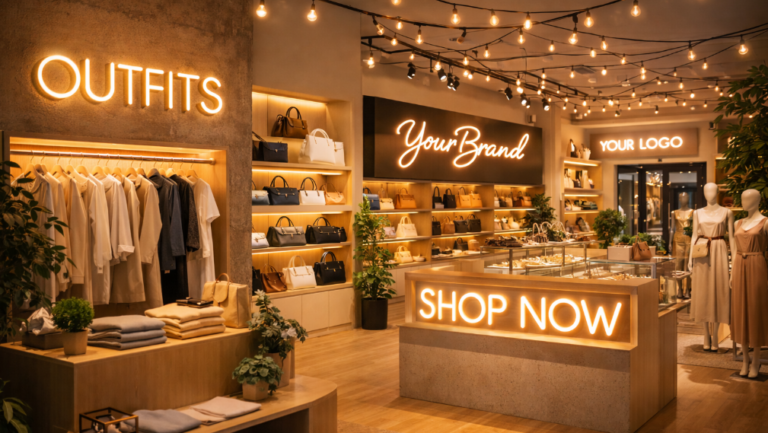
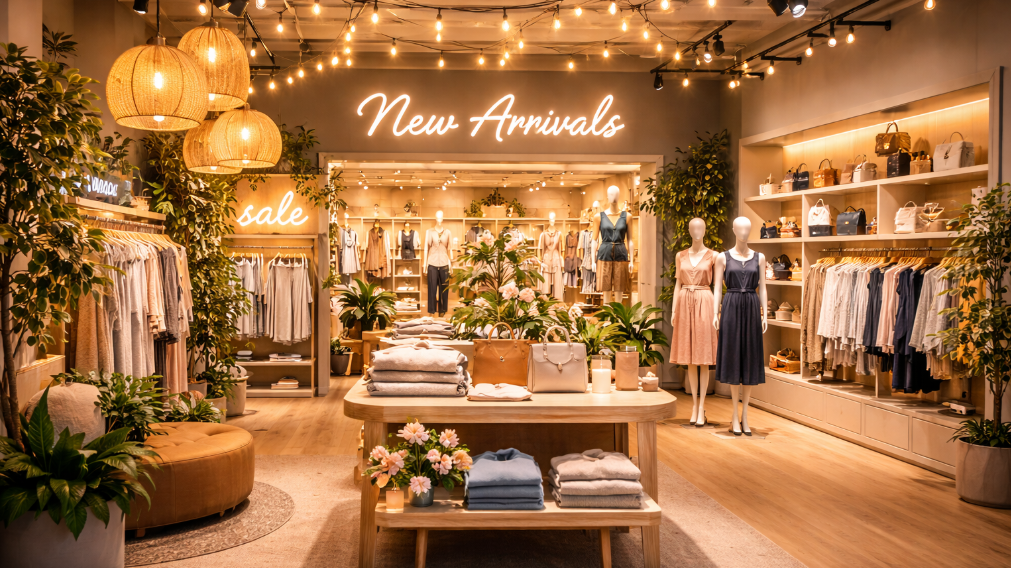
Track lighting with adjustable fixtures allows retailers to spotlight featured items, new arrivals, or high-margin products. These focused beams create natural focal points that draw customers deeper into stores and toward specific merchandise. Retailers can easily redirect spotlights as inventory rotates, maintaining flexibility without infrastructure changes.
Jewelry and accessory retailers have long understood that proper lighting sells sparkle. LED spotlights with high color rendering index (CRI) values reveal the true brilliance of gemstones, metals, and crystals, creating the fire and scintillation that drive luxury purchases. The same principle applies beyond jewelry—cosmetics appear more vibrant, textiles reveal their true colors and textures, and electronics showcase their sleek finishes when illuminated with appropriate high-quality lighting.
Vertical lighting draws eyes upward, utilizing valuable wall space while making retail environments feel more spacious. Wall-mounted fixtures that graze downward across merchandise create sophisticated retail aesthetics while ensuring products at all heights receive adequate illumination. This approach prevents the common problem where only eye-level merchandise receives attention while items on lower or higher shelves languish unseen.
Color temperature selection dramatically affects product perception. Warm white lighting (2700K-3000K) enhances wood tones, makes food appear fresh and appetizing, and creates cozy environments perfect for home goods retailers. Cool white lighting (4000K-5000K) makes whites appear crisp and clean, ideal for contemporary fashion, technology retailers, and minimalist brands. Neutral lighting (3500K) offers versatility for stores with diverse product categories.
Lighting contrast creates perceived value. When featured products receive significantly more illumination than surrounding items, customers unconsciously attribute greater importance and worth to spotlit merchandise. This technique proves particularly effective for promoting new collections, seasonal items, or products with higher profit margins.
Atmospheric Lighting That Defines Brand Identity
Retail lighting communicates brand personality as effectively as logos, color schemes, or store layouts. Thoughtful atmospheric lighting creates cohesive environments that reinforce brand positioning and resonate with target demographics.
Luxury retailers employ sophisticated layered lighting that combines ambient illumination with precise accent lights. Lower overall light levels create intimacy and exclusivity, while carefully placed spotlights reveal product details to customers who approach. This restrained approach signals refinement and quality, differentiating premium brands from mass-market competitors.
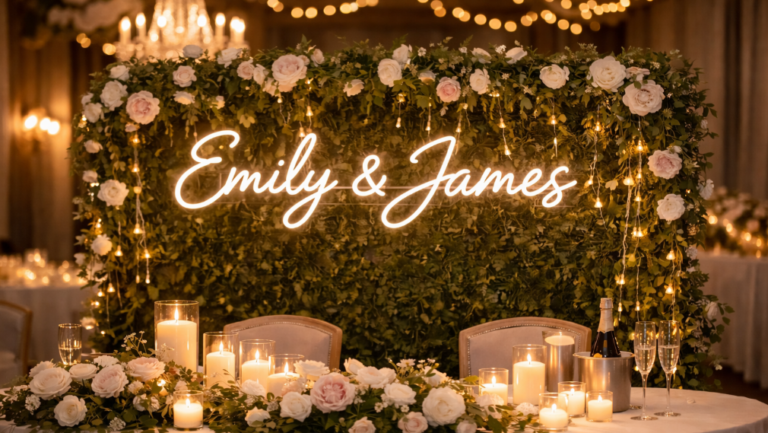
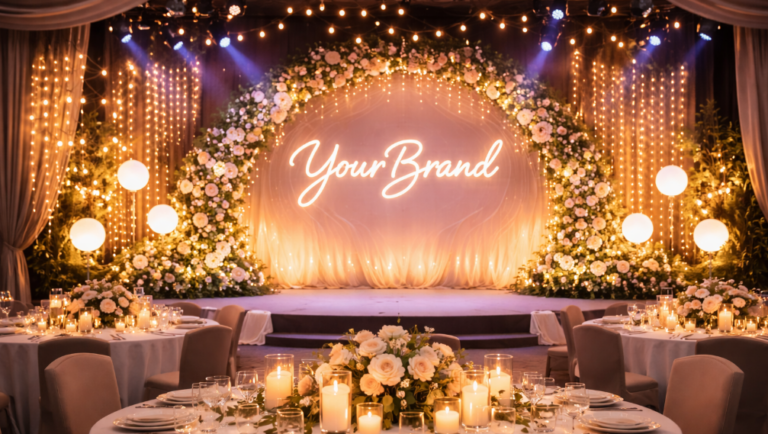
Youth-oriented and trendy retailers often embrace bold, energetic lighting schemes. Color-changing systems, exposed Edison bulbs, neon signage, and theatrical effects create vibrant environments that appeal to younger demographics seeking Instagram-worthy shopping experiences. The lighting itself becomes part of the brand story, not just a functional necessity.
Natural and eco-conscious brands benefit from lighting that mimics daylight, creating bright, fresh environments that reinforce sustainability messaging. Large windows supplemented with daylight-temperature LEDs create connections to nature while maintaining consistent illumination regardless of exterior conditions. Visible sustainable lighting choices—solar tubes, obvious LED fixtures, motion sensors—demonstrate environmental commitments to values-driven consumers.
Boutique retailers can leverage unique lighting fixtures as design statements that differentiate their spaces from chain competitors. Vintage chandeliers, custom pendant clusters, or artisanal light sculptures create memorable visual identities while providing necessary illumination. These distinctive fixtures become landmarks that customers remember and reference when recommending stores to friends.
Interactive and Dynamic Lighting Experiences
Static lighting serves basic needs, but interactive and responsive lighting creates memorable experiences that customers share on social media and recall during future shopping decisions. Dynamic lighting transforms retail spaces into destinations worth visiting for the experience itself.
Motion-activated lighting sequences surprise and delight customers as they move through stores. Displays that illuminate when approached create magical moments while conserving energy in unoccupied areas. This approach works particularly well in fitting rooms, where lights that activate upon entry make customers feel welcomed and attended to.
Color-changing systems that respond to time of day create evolving environments that reward repeat visits. Morning shoppers experience different atmospheres than evening visitors, making stores feel perpetually fresh. Some retailers program lighting to shift subtly throughout operating hours, maintaining subliminal novelty without obvious changes.
Projection mapping technology allows retailers to transform walls, floors, or even merchandise into dynamic canvases. Seasonal imagery, brand messaging, or abstract patterns can appear and evolve without physical installations. A children’s clothing store might project animated characters, while a tech retailer could display futuristic patterns that reinforce innovation messaging.
Synchronized lighting and music create immersive multisensory experiences. Lights that pulse gently to background music, shift colors during specific songs, or create visual rhythms add subtle energy that increases time spent in stores. The synchronization doesn’t need to be obvious or aggressive—even subconscious connections between audio and visual elements enhance atmospheric cohesion.
Selfie-worthy lighting installations serve dual purposes: creating shareable content that provides free marketing while attracting customers seeking Instagram-worthy backdrops. Neon signs with clever phrases, illuminated walls perfect for portraits, or creative light fixtures become destinations in themselves, with customers visiting specifically to photograph these installations while incidentally browsing merchandise.
Task Lighting That Enhances Shopping Functionality
While atmospheric and accent lighting create desire, practical task lighting facilitates actual purchasing by ensuring customers can properly evaluate merchandise before buying. Inadequate task lighting leads to returns, frustration, and lost sales.
Fitting room lighting deserves special attention, as this is where purchase decisions crystallize or evaporate. Harsh overhead lighting creates unflattering shadows that make everyone look tired and unappealing—the fastest way to kill apparel sales. Instead, multi-source lighting with fixtures positioned at face level mimics flattering makeup mirror lighting. Warm color temperatures (around 3000K) create appealing skin tones without distorting garment colors. Some innovative retailers install adjustable lighting systems allowing customers to preview clothing under different conditions—office fluorescent, outdoor daylight, evening restaurant ambiance.
Checkout areas require bright, neutral task lighting that facilitates transactions while remaining consistent with overall store aesthetics. Adequate illumination at point-of-sale prevents errors, speeds transactions, and creates final positive impressions as customers complete purchases. Under-counter lighting illuminates transaction surfaces without creating glare or harsh shadows on customer faces.
Product examination zones—areas where customers inspect details, read labels, or compare options—need targeted task lighting that reveals fine details without overwhelming broader atmospheres. Retailers of products with technical specifications, ingredient lists, or care instructions must ensure adequate illumination for reading small text without customers needing to carry items toward windows or brighter areas.
Accessibility considerations demand attention to task lighting adequacy. Older shoppers require more light to comfortably read labels and evaluate products. Retailers catering to broader demographics should ensure base illumination levels accommodate those with reduced vision while using accent lighting to create visual interest for all customers.
Energy-Efficient Solutions That Reduce Costs While Improving Aesthetics
Creative lighting needn’t inflate operating expenses. Modern LED technology and intelligent control systems enable sophisticated lighting designs that actually reduce energy costs compared to conventional solutions.
LED fixtures consume 75-80% less energy than traditional incandescent bulbs while lasting 25 times longer, dramatically reducing both utility bills and maintenance labor. The long-term cost savings often justify higher upfront investments within months. Beyond efficiency, LEDs generate minimal heat, reducing air conditioning loads in climate-controlled retail environments—a secondary cost benefit often overlooked.
Daylight harvesting systems use sensors to automatically dim artificial lighting when natural light provides adequate illumination. Stores with windows can maintain consistent light levels throughout the day while minimizing energy consumption during sunny periods. These systems prevent the common problem of over-lighting during bright days or under-lighting as daylight fades.
Occupancy sensors ensure lights operate only when areas are in use. Stockrooms, offices, fitting rooms, and low-traffic zones benefit from automatic shut-off that eliminates wasted energy from forgotten lights. Modern sensors activate quickly enough that customers never experience delays when entering monitored spaces.
Scheduled dimming programs reduce lighting intensity during low-traffic periods without compromising safety or visibility. Late evening hours might operate at 70% brightness, providing adequate illumination for occasional customers while significantly reducing energy consumption during slower periods. Smart systems can even learn traffic patterns and adjust automatically based on historical data.
Retrofit options allow existing retailers to improve lighting without complete overhauls. Screw-in LED replacements for outdated bulbs, track lighting upgrades, and supplemental fixtures can dramatically improve lighting quality through phased improvements that spread costs over time while delivering immediate benefits.
Seasonal and Promotional Lighting Flexibility
Retail operates on seasonal cycles, with regular transitions between holiday periods, promotional events, and new product launches. Lighting systems designed for flexibility accommodate these changes efficiently and cost-effectively.
Programmable LED systems allow complete lighting transformations through controller adjustments rather than physical fixture changes. Holiday seasons might feature festive reds and greens, Valentine’s Day brings romantic pinks, summer promotes vibrant energetic tones, and autumn embraces warm oranges and golds. The same fixtures create dramatically different moods through color programming.
Portable accent fixtures provide tactical flexibility for featuring specific promotions or new arrivals without permanent installations. Battery-operated LED spotlights, plug-in track systems, and wireless fixtures can be repositioned as merchandising priorities shift, ensuring featured products always receive optimal illumination.
Temporary lighting installations for major promotions or events create excitement without permanent commitments. Special sales events might feature additional decorative lighting, projection effects, or distinctive fixtures that signal something special is happening. The temporary nature creates urgency while the special lighting makes events feel exclusive and memorable.
Modular lighting systems with interchangeable components allow retailers to reconfigure lighting as store layouts evolve. As departments shift, seasonal areas change, or merchandising strategies adapt, lighting can be reorganized to match without requiring completely new systems.
Conclusion
Creative retail lighting represents one of the highest-return investments available to retailers seeking competitive advantages in crowded marketplaces. Strategic lighting attracts foot traffic, showcases merchandise advantageously, creates shareable experiences, and establishes brand identities that resonate with target customers. The multifaceted benefits—increased sales, reduced energy costs, enhanced brand perception, and improved customer experiences—compound to deliver value far exceeding implementation costs.
As retail continues evolving, with physical stores emphasizing experiences that justify leaving home in an e-commerce era, lighting will only grow in importance. Stores that thoughtfully design lighting systems considering attraction, atmosphere, functionality, and flexibility position themselves for sustained success. Whether through dramatic window displays, strategic product spotlighting, branded atmospheric lighting, or interactive installations, creative lighting solutions transform ordinary retail spaces into destinations that customers actively seek out, spend more time in, and return to repeatedly.
The question facing retailers is not whether creative lighting matters, but rather how quickly they can implement solutions that turn their spaces into illuminated experiences that customers cannot resist.